
.avif)
When firearms and tactical companies ask me about influencer marketing, I usually hear the same story.
They worked with a handful of influencers.
They sent out free product or paid for a few posts.
They saw some sales come in.
Then everything went quiet.
At that point, most people assume influencer marketing is overhyped or that it does not work the way it used to.
That is not what we have seen.
Influencer marketing in the firearms industry still works extremely well. The issue is that most companies approach it the wrong way. They treat influencers like short-term ad placements instead of long-term partners.
And in an industry built on trust, that difference matters more than ever.
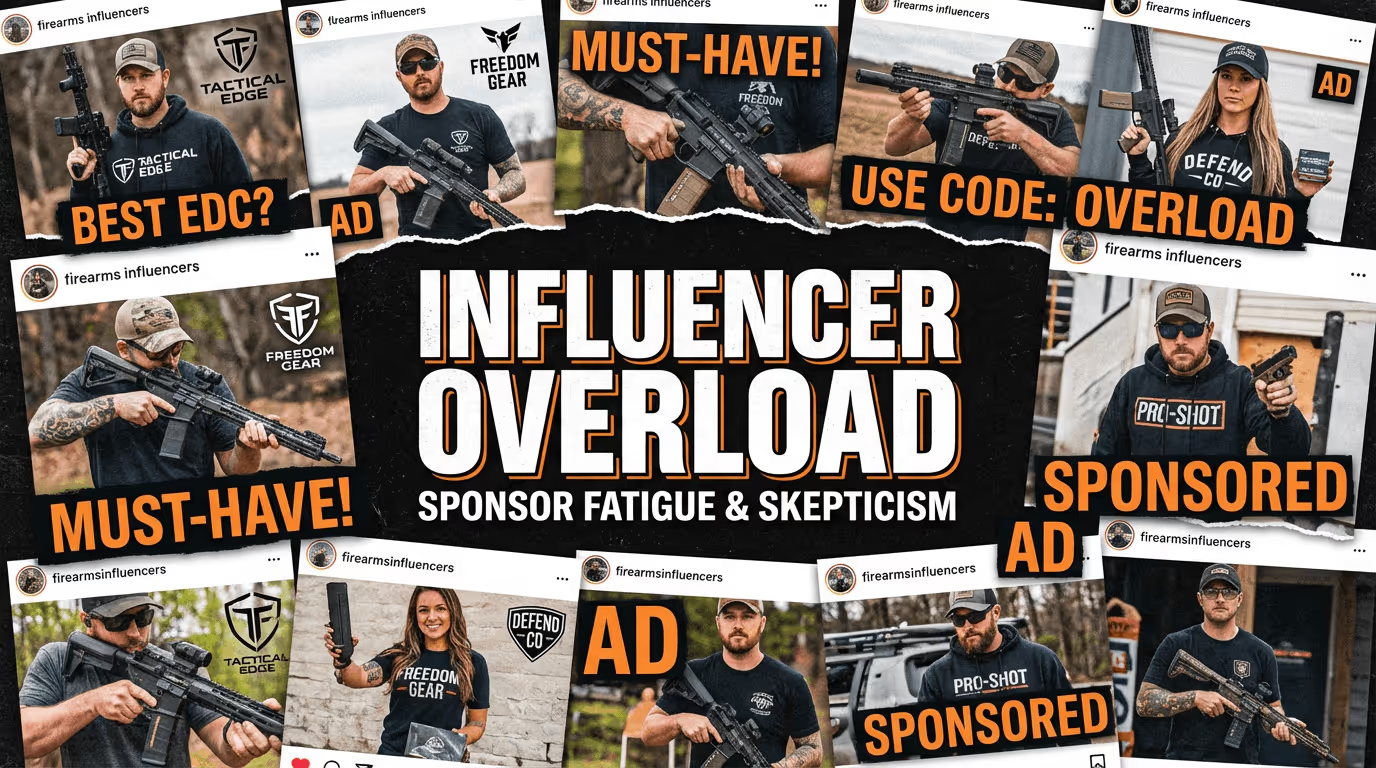
The Pain Points I See Over and Over Again
I spend a lot of time reviewing influencer campaigns for firearms and tactical brands, and the same problems keep showing up.
- Brands cast a wide net and work with too many influencers at once.
- They expect one or two posts to build trust instantly.
- They move on as soon as the promotion ends.
On paper, this approach looks efficient. In reality, it limits results.
Yes, spreading promotions across multiple influencers can introduce a product to new audiences. It can even generate sales. But introduction is not the same thing as belief.
Modern consumers understand sponsored content. They know influencers get paid. When they see an influencer bounce from one brand to another every few weeks, they mentally discount the recommendation.
That does not mean the influencer lacks credibility. It means the relationship lacks depth.
Why Trust Is Everything in This Industry
I always remind clients that influencer marketing is not about reach. It is about borrowed trust.
In the firearms industry, trust is not optional. People are buying products and services that relate to safety, legality, and performance. They care deeply about who they listen to.
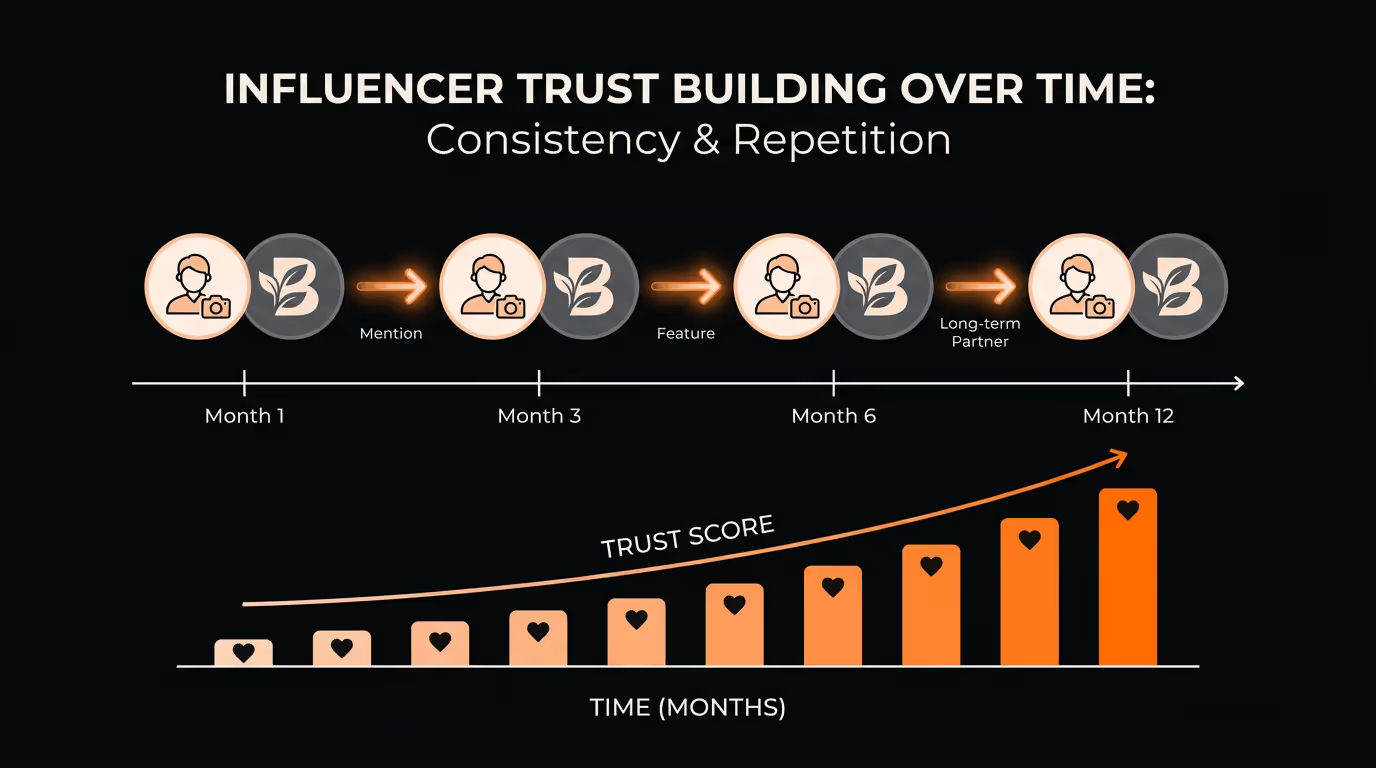
When an influencer consistently talks about the same brand over time, their audience begins to associate that brand with the influencer’s credibility. That association cannot be manufactured with a single post.
- One mention creates awareness.
- Repeated mentions create familiarity.
- Long-term alignment creates confidence.
This is the part most companies skip.
Short-Term Promotions Versus Long-Term Partnerships
I am not against short-term influencer campaigns. We use them strategically. They are useful for testing messaging, creative, and audiences.
But when brands rely on short-term promotions as their entire influencer strategy, they cap their results.
- Short-term promotions feel transactional.
- Long-term partnerships feel authentic.
When an influencer becomes aligned with a brand for months or even a full year, the audience stops questioning the motive. They assume the influencer actually believes in what they are recommending.
That belief changes conversion behavior dramatically.
Why Firearms Consumers Are More Skeptical
Firearms consumers are not impulse buyers. They research. They ask questions. They follow instructors, professionals, and subject-matter experts because credibility matters.
This makes influencer marketing harder, but also more powerful.
When trust is earned, it carries more weight than almost any other marketing channel. When it is not earned, it is ignored completely.
That is why long-term influencer marketing in the firearms industry consistently outperforms scattered promotions when done correctly.
Case Study: A One-Year Partnership With CCW Safe
One of the clearest examples of this approach working comes from our partnership between CCW Safe and Tactical Hyve.
Instead of running a series of short-term influencer promotions, we structured a single long-term partnership that lasted twelve months.
That decision changed the outcome entirely.
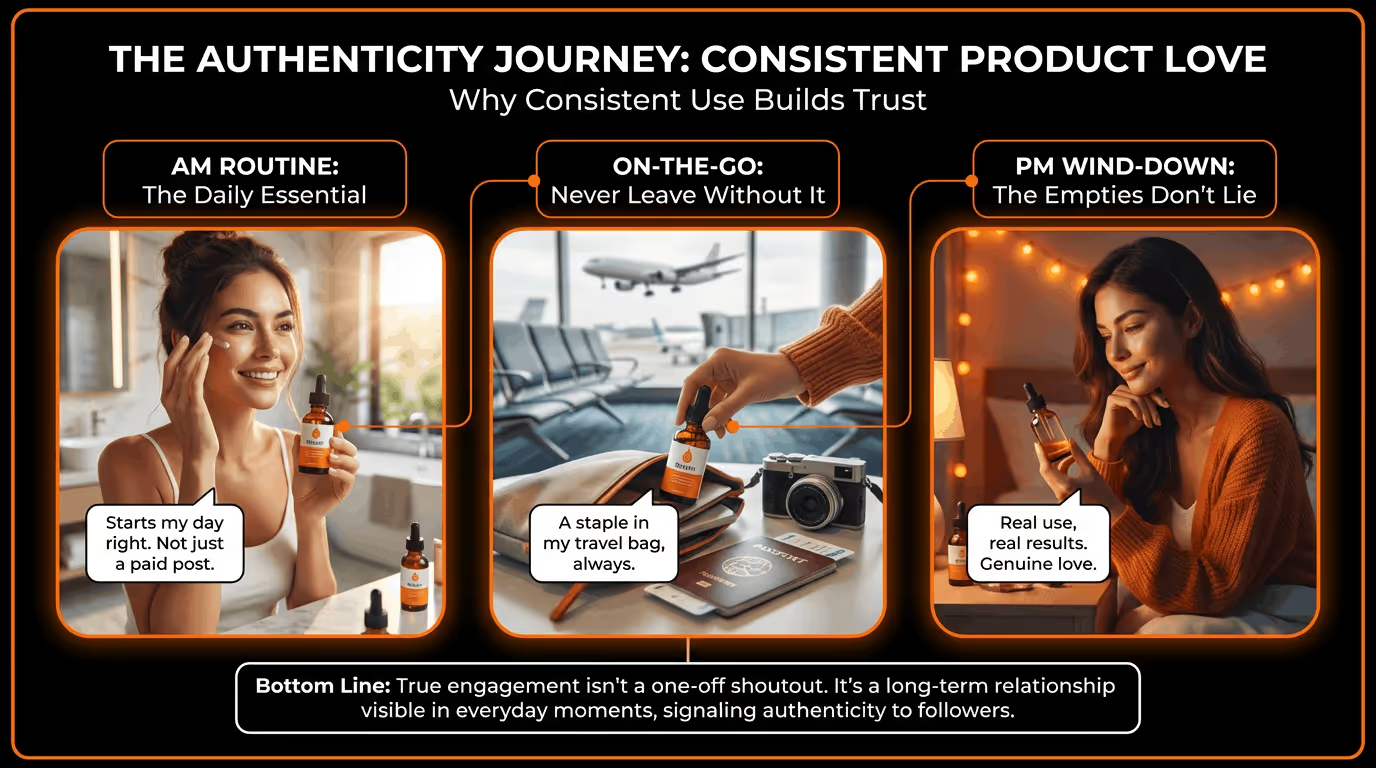
Over the course of the year, CCW Safe was not presented as a sponsor that popped in and out. It became a trusted solution that was referenced naturally in relevant conversations.
The audience saw consistency. They saw alignment. They saw belief.
From a single twelve-month investment, the returns continued well beyond what most short-term campaigns deliver.
The key was not how many influencers were involved. It was how long the relationship lasted.
Why Long-Term Influencer Marketing Converts Better
From a psychological standpoint, long-term partnerships remove friction.
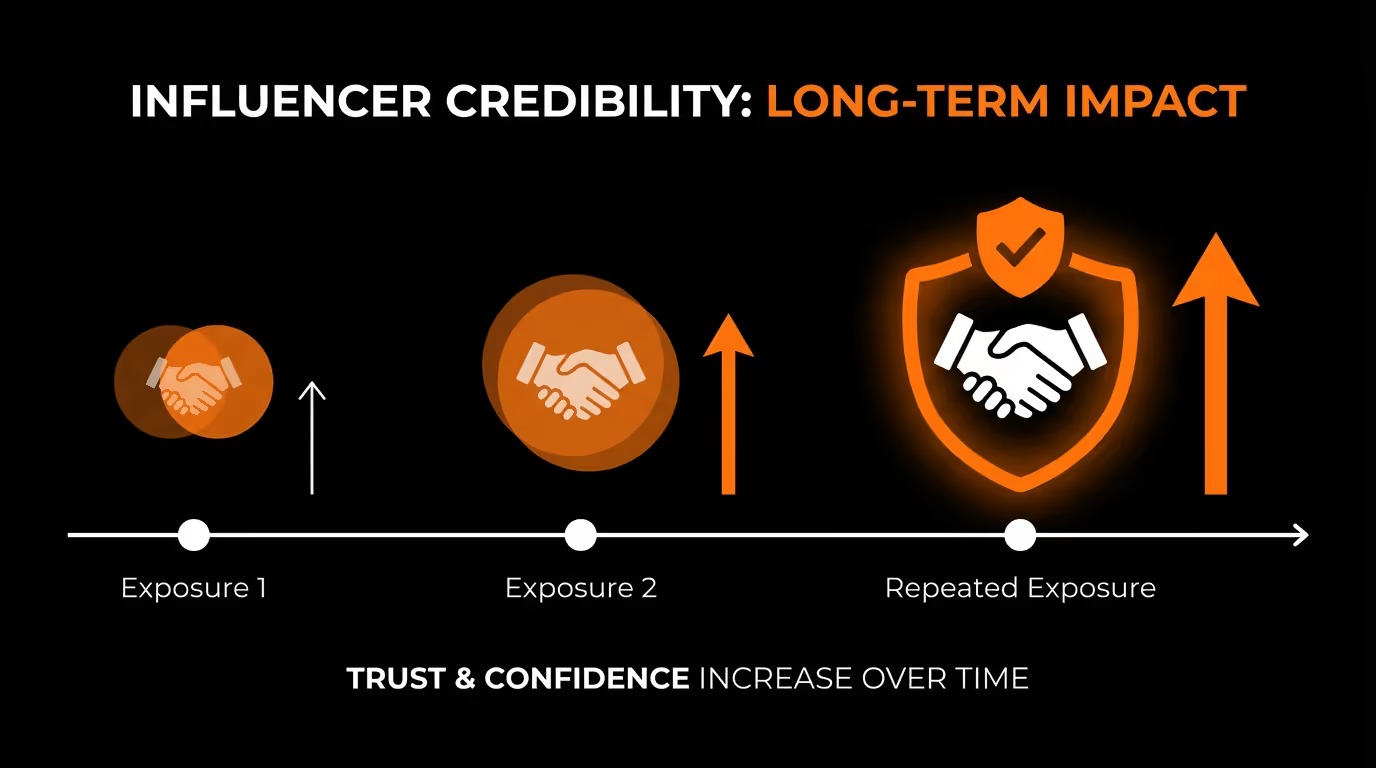
When an influencer sticks with a brand, followers stop questioning intent. They stop asking whether the recommendation is real. They assume it is.
That assumption is powerful.
- It lowers resistance.
- It increases confidence.
- It shortens the buying decision.
In the firearms industry, where trust is already hard to earn, that advantage compounds quickly.
Why Most Brands Struggle to Execute This Internally
On the surface, long-term influencer marketing sounds simple. Find an influencer. Pay them. Keep the relationship going.
In practice, it is much harder.
Choosing the wrong influencer can damage credibility. Poorly structured agreements can limit performance. Forced messaging can break trust instead of building it.
Managing influencer relationships over months requires strategy, coordination, and experience. Most brands do not have the time or internal systems to handle this well.
That is why they default back to short-term promotions. They feel easier, even though they perform worse.
Influencer Marketing Is Not a Standalone Tactic
The highest-performing influencer campaigns we run are never isolated.
- Influencers introduce the brand.
- Owned channels nurture the relationship.
- Email and content reinforce credibility.
- Conversions happen over time.
When influencer marketing is disconnected from everything else, it underperforms. When it is integrated into a larger system, it becomes one of the most effective growth channels available.
Why We Do the Work Most Brands Avoid
We focus on influencer marketing in the firearms industry because we are willing to do the difficult parts.
That includes vetting influencers carefully, structuring long-term partnerships, managing content expectations, and integrating influencer traffic into owned systems that convert.
Most companies know influencer marketing matters. Few want to manage it correctly.
That gap is where opportunity exists.
If you are currently working with influencers and feel like the results are inconsistent, the issue is rarely the influencers themselves. It is almost always the structure behind the partnership.
Long-term influencer marketing works when it is treated as a strategic asset, not a one-off promotion.
If you want help building those relationships and handling the work behind the scenes, reach out to us. We can evaluate whether a long-term influencer strategy makes sense for your business and take on the heavy lifting that makes it work.


Let's Build Something That Actually Works
Work with a team that understands your industry, executes with precision, and delivers results that drive real revenue.
.png)


Contact



San Diego, CA 92101